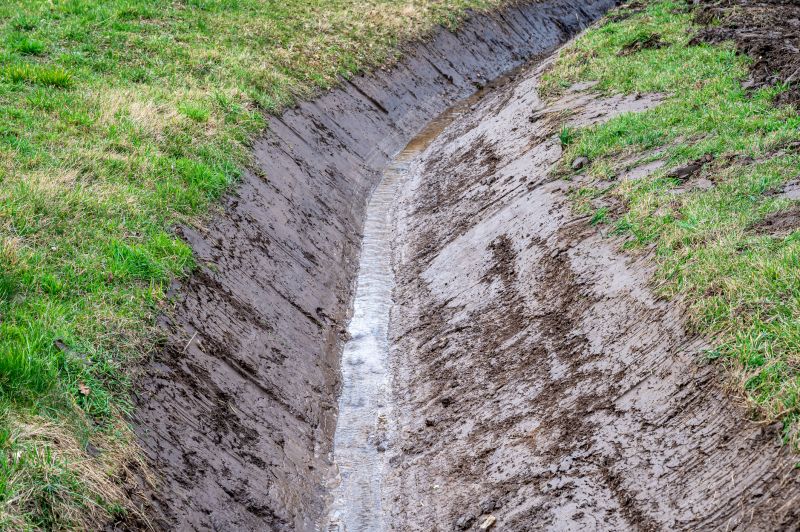
Ditch Installation in Atlanta, GA
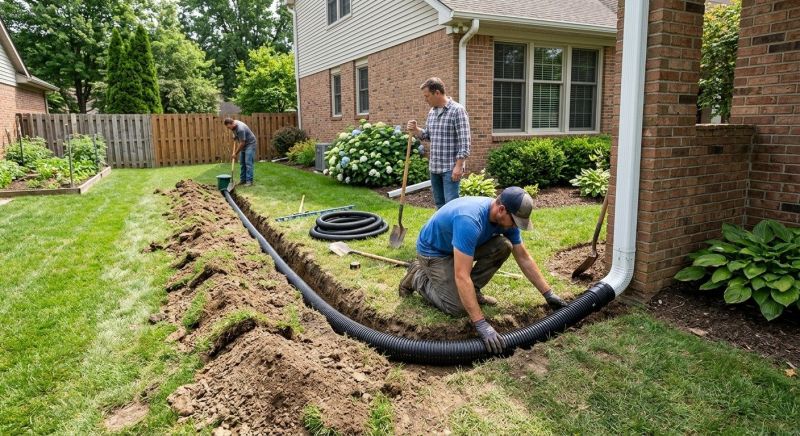
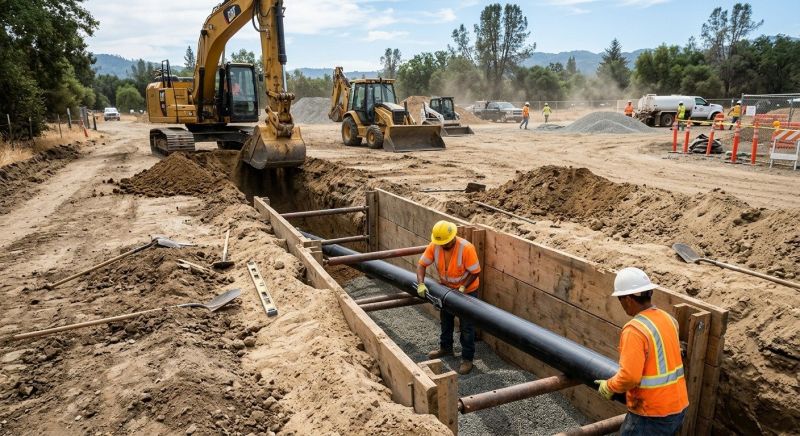
Ditch installation services involve the construction of trenches or channels designed to direct water away from a property’s foundation, landscape, or other areas prone to water accumulation. These projects typically include installing drainage ditches, French drains, or underground piping systems to help manage stormwater runoff, prevent flooding, and protect landscaping. Property owners often request ditch installation when they experience issues with standing water, erosion, or water pooling around their homes or yards, especially after heavy rains or during seasonal storms.
Before requesting ditch installation, homeowners should consider the specific drainage problems they want to address and the layout of their property. It’s important to understand the flow of water across the land, identify natural drainage patterns, and determine the most effective locations for installing ditches or drainage systems. Proper planning can ensure the installation effectively reduces water issues and integrates smoothly with existing landscaping and property features.
Many property owners in Atlanta, GA look into Ditch Installation for repairs, replacements, upgrades, and appearance-related improvements.
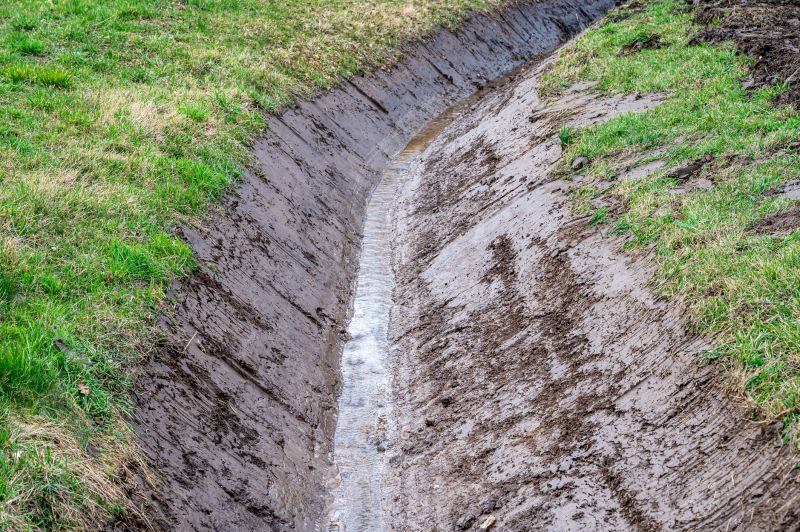
Types Of Ditches
Different ditch styles are suited for drainage, irrigation, and property grading needs.
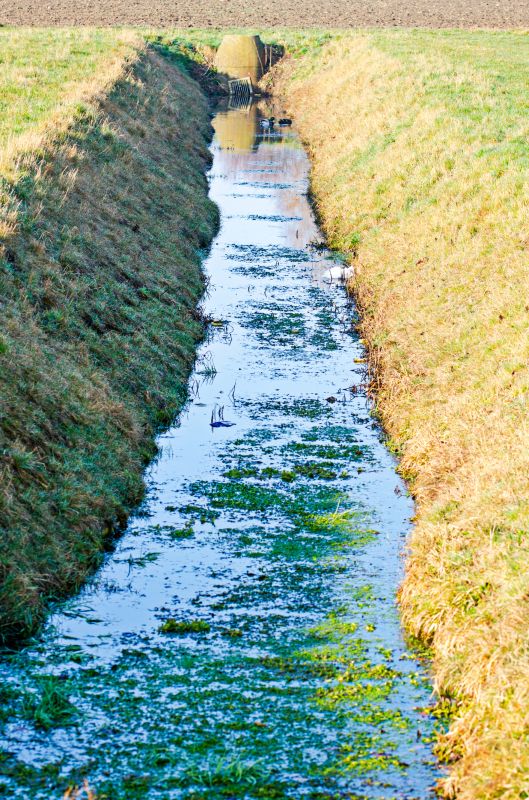
Common Projects
Ditch installation is often used for managing stormwater runoff and preventing erosion.
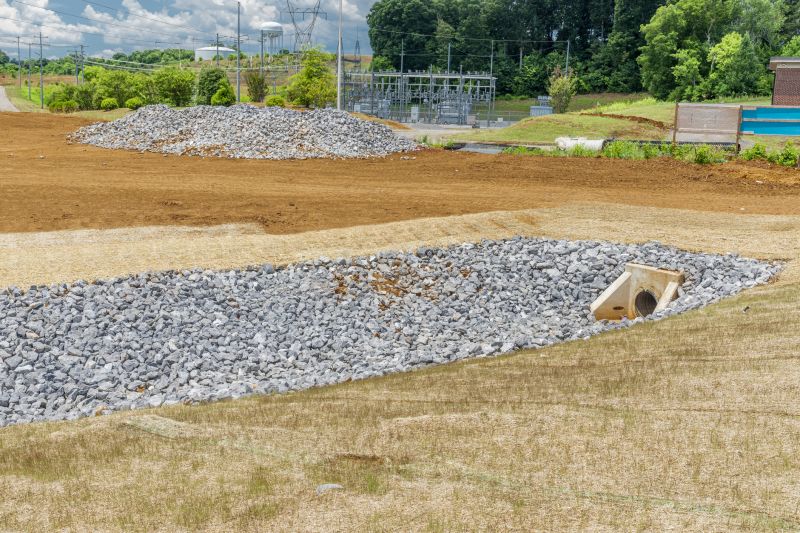
Installation Considerations
Proper planning ensures the ditch functions effectively and integrates well with existing landscaping.
Ditch Installation in Atlanta, GA

Ditch installation services involve the construction of trenches or channels designed to direct water away from a property’s foundation, landscape, or other areas prone to water accumulation. These projects typically include installing drainage ditches, French drains, or underground piping systems to help manage stormwater runoff, prevent flooding, and protect landscaping. Property owners often request ditch installation when they experience issues with standing water, erosion, or water pooling around their homes or yards, especially after heavy rains or during seasonal storms.
Before requesting ditch installation, homeowners should consider the specific drainage problems they want to address and the layout of their property. It’s important to understand the flow of water across the land, identify natural drainage patterns, and determine the most effective locations for installing ditches or drainage systems. Proper planning can ensure the installation effectively reduces water issues and integrates smoothly with existing landscaping and property features.
Many property owners in Atlanta, GA look into Ditch Installation for repairs, replacements, upgrades, and appearance-related improvements.
Common Ditch Installation Jobs
Drainage System Installation - helps direct water away from foundations and landscaping.
French Drain Installation - prevents water pooling in yards and around basements.
Surface Drain Installation - manages surface runoff to reduce erosion and flooding.
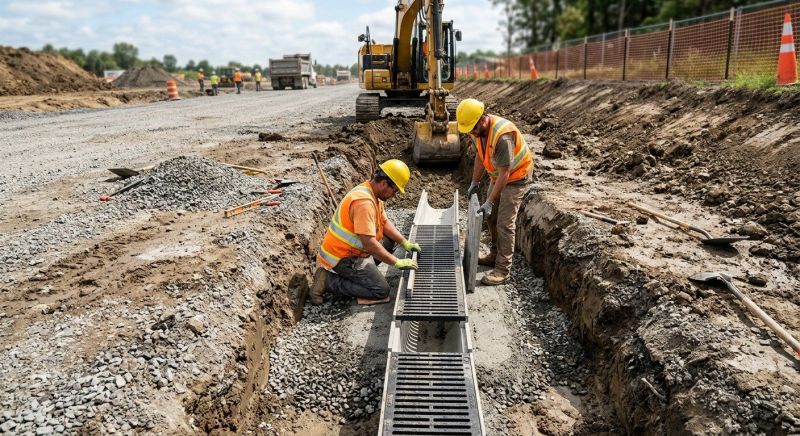
Channel Drain Installation - provides effective water flow control along driveways and patios.
Soakaway System Installation - allows excess water to safely infiltrate the ground.
Drainage Repair Services - addresses existing drainage issues to improve water management.
Ditch Installation Questions
What is a ditch installation? Ditch installation involves creating a trench to direct water flow or manage drainage on a property.
What types of projects typically require a ditch? Ditches are often used for stormwater management, irrigation, or preventing erosion around a property.
How deep should a ditch be? The depth depends on its purpose, but generally, it should be deep enough to effectively direct water away from structures.
What materials are used for ditch installation? Common materials include soil, gravel, and sometimes lining materials like plastic or concrete for durability.
Request Ditch Installation in Atlanta, GA
Use the quote form on this page to share the basics of your project and request more information for the type of work you need.