Dirt Relocation in Salt Lake City, UT
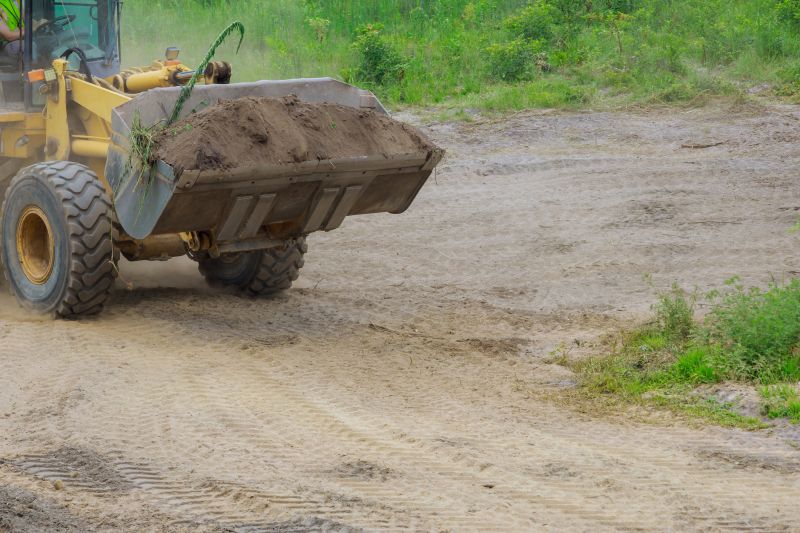
Dirt relocation services involve the movement and redistribution of soil, gravel, or other ground materials across a property. This service is commonly used for projects such as grading landscapes, leveling yards, creating new garden beds, or preparing land for construction. Property owners typically request dirt relocation to improve drainage, prevent erosion, or establish a desired landscape contour, ensuring the ground is even and stable for future development or aesthetic purposes.
Before requesting dirt relocation, property owners should consider the scope of their project, including the amount of material to be moved and the specific areas involved. It’s helpful to understand any potential restrictions or permits required for working on the property, as well as the existing landscape conditions. Clear communication about project goals and site details can ensure the service meets expectations and results in a properly graded and well-prepared outdoor space.
Many property owners in Salt Lake City, UT look into Dirt Relocation for repairs, replacements, upgrades, and appearance-related improvements.
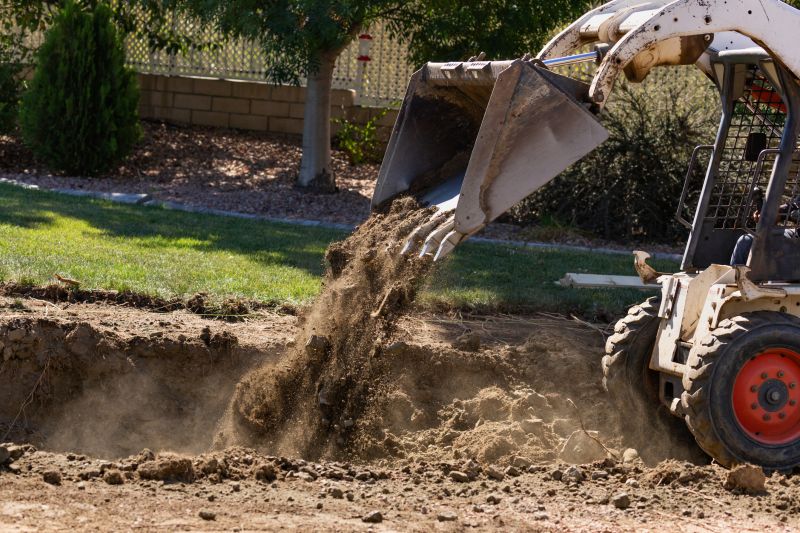
Site Preparation And Grading
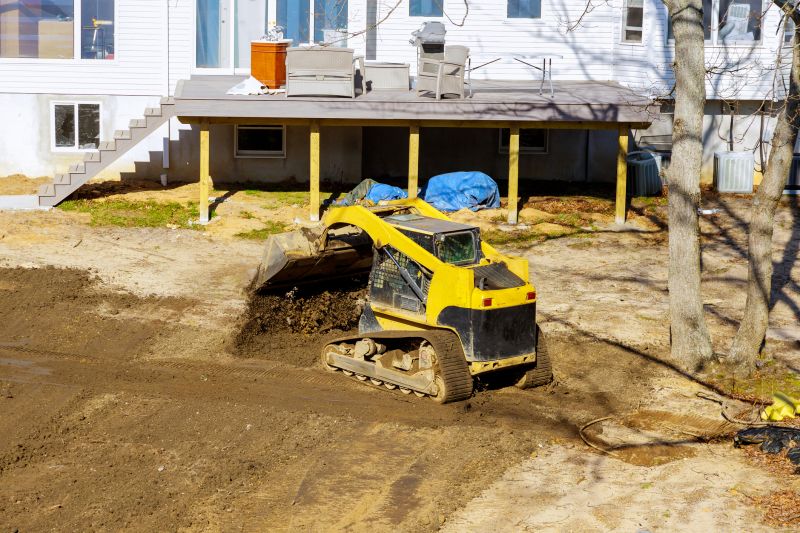
Proper dirt relocation helps prepare land for construction, landscaping, or drainage improvements.
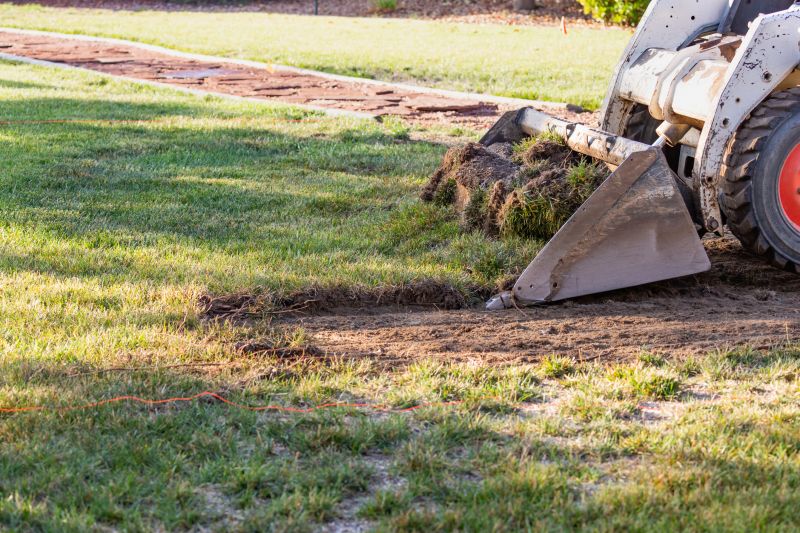
Landscaping And Garden Projects
Moving soil and dirt is essential for creating level lawns, flower beds, and outdoor features.
Erosion Control And Drainage Solutions
Relocating dirt can improve water flow and prevent erosion on residential and commercial properties in salt lake city, ut.
Dirt Relocation in Salt Lake City, UT

Dirt relocation services involve the movement and redistribution of soil, gravel, or other ground materials across a property. This service is commonly used for projects such as grading landscapes, leveling yards, creating new garden beds, or preparing land for construction. Property owners typically request dirt relocation to improve drainage, prevent erosion, or establish a desired landscape contour, ensuring the ground is even and stable for future development or aesthetic purposes.
Before requesting dirt relocation, property owners should consider the scope of their project, including the amount of material to be moved and the specific areas involved. It’s helpful to understand any potential restrictions or permits required for working on the property, as well as the existing landscape conditions. Clear communication about project goals and site details can ensure the service meets expectations and results in a properly graded and well-prepared outdoor space.
Many property owners in Salt Lake City, UT look into Dirt Relocation for repairs, replacements, upgrades, and appearance-related improvements.
Common Dirt Relocation Jobs
Site clearing - removing excess soil and debris to prepare for construction or landscaping projects.
Excavation - digging and removing soil for foundations, pools, or drainage systems.
Grading services - leveling land to ensure proper drainage and a stable building site.
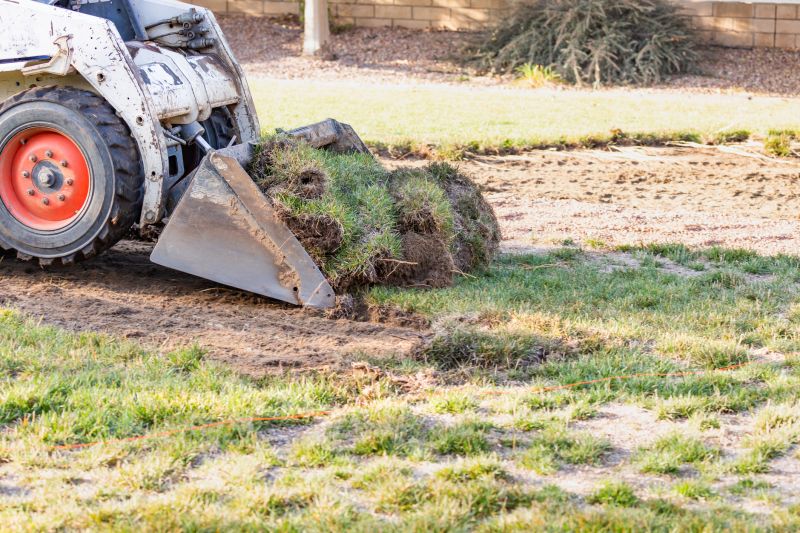
Soil relocation - transferring soil to improve yard contours or fill low areas.
Backfilling - replacing excavated soil around foundations or structures for stability.
Landscape grading - shaping land to prevent erosion and create functional outdoor spaces.
Dirt Relocation Questions
What is dirt relocation? Dirt relocation involves moving soil or earth from one area to another to shape land or prepare sites for construction or landscaping projects.
When is dirt relocation needed? It is often required when grading land, filling low spots, or creating level surfaces for building foundations or lawns.
What types of projects require dirt relocation? Projects such as garden leveling, driveway installation, foundation preparation, and landscape redesign commonly involve dirt relocation.
How does dirt relocation benefit property owners? It helps improve land drainage, create desired land contours, and prepare sites for construction or landscaping improvements.
Request Dirt Relocation in Salt Lake City, UT
Use the quote form on this page to share the basics of your project and request more information for the type of work you need.